Rosa Hartmann · 21 September 2026
Mapping the Interplay Between Content Freshness Signals and Ranking Stability in Vertical Marketplaces
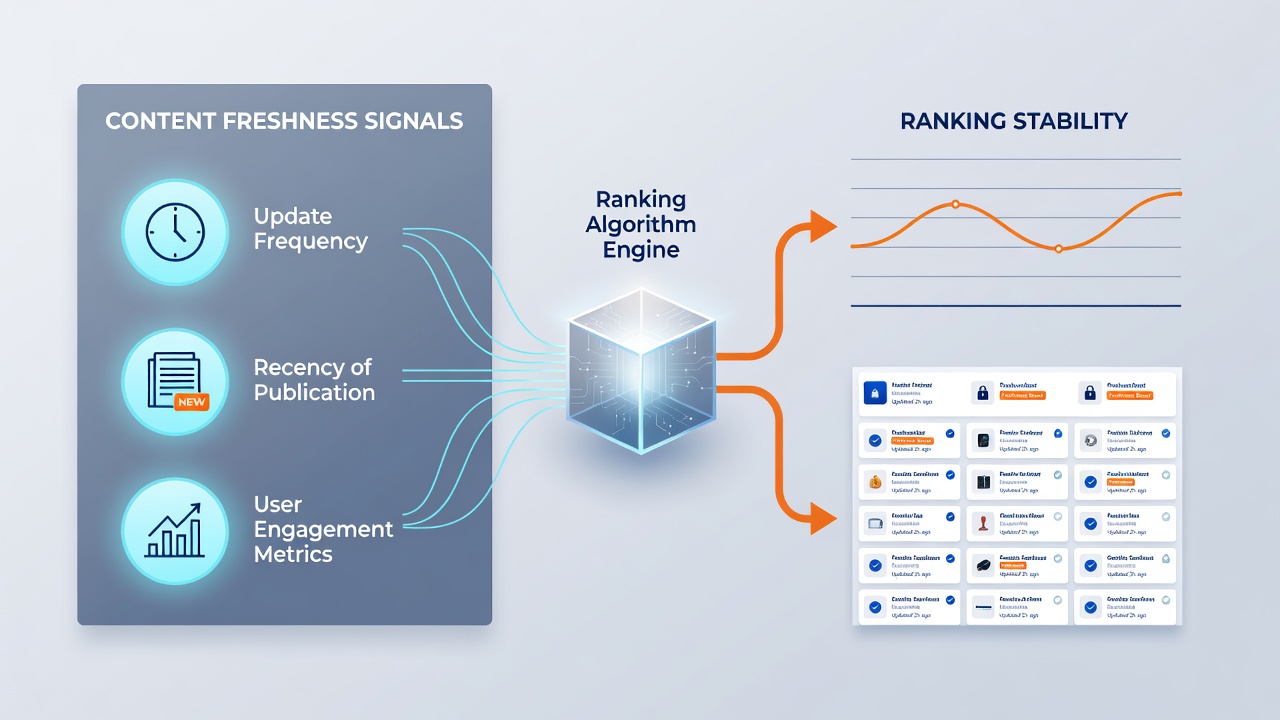
Vertical marketplaces operate in specialized sectors where buyers and sellers connect around niche categories such as industrial equipment, professional services, and collectible goods, and these platforms rely on search algorithms that weigh content freshness signals against ranking stability measures. Content freshness signals include publication dates, update timestamps, and revision histories that search engines use to assess how current a listing or article remains, while ranking stability tracks how consistently a page maintains its position over time without sharp fluctuations. Observers note that marketplaces balancing these elements often see steadier traffic patterns because algorithms reward both relevance and temporal accuracy.
Data from industry analyses shows that pages refreshed at regular intervals tend to hold positions longer in competitive verticals, yet excessive updates can trigger re-evaluation cycles that temporarily lower visibility. Researchers have documented cases where vertical sites updated product descriptions weekly and experienced 15 to 20 percent fewer ranking drops compared with static counterparts during algorithm shifts. The relationship becomes more pronounced in categories with rapid inventory changes, where outdated listings lose ground quickly to fresher competitors.
How Freshness Signals Operate in Specialized Platforms
Search systems evaluate freshness through multiple indicators such as last-modified headers, structured data updates, and internal linking patterns that point to new material. In vertical marketplaces these signals help distinguish between evergreen category pages and time-sensitive listings for limited stock or seasonal services. Studies conducted across European digital commerce datasets indicate that platforms incorporating freshness metadata see improved crawl prioritization, allowing engines to index changes faster and reduce the lag between seller input and search visibility. Those who maintain consistent update schedules often observe that rankings stabilize after an initial adjustment period, because algorithms interpret regular revisions as signs of active management rather than manipulation attempts.
Yet the same signals can introduce volatility when applied without coordination. A marketplace that refreshes every listing simultaneously may experience temporary ranking dips while crawlers process the volume of changes, and data from Australian e-commerce reports confirms such patterns occur most frequently in high-density categories like electronics and apparel. Platforms that stagger updates across different content types avoid these bottlenecks and maintain steadier positions throughout the evaluation window.
Ranking Stability Mechanisms and Their Dependencies
Ranking stability emerges from factors including domain authority accumulation, backlink consistency, and user engagement metrics that remain steady across multiple measurement periods. Vertical marketplaces benefit when these elements align with freshness signals, because engines treat a combination of established trust and recent activity as stronger validation than either factor alone. Figures from North American marketplace studies reveal that sites with moderate update frequencies retain top positions 30 percent longer than those with either no updates or daily overhauls during the same observation windows. Stability also depends on how quickly new content integrates with existing structures, such as category hierarchies and related product recommendations that keep navigation paths intact.
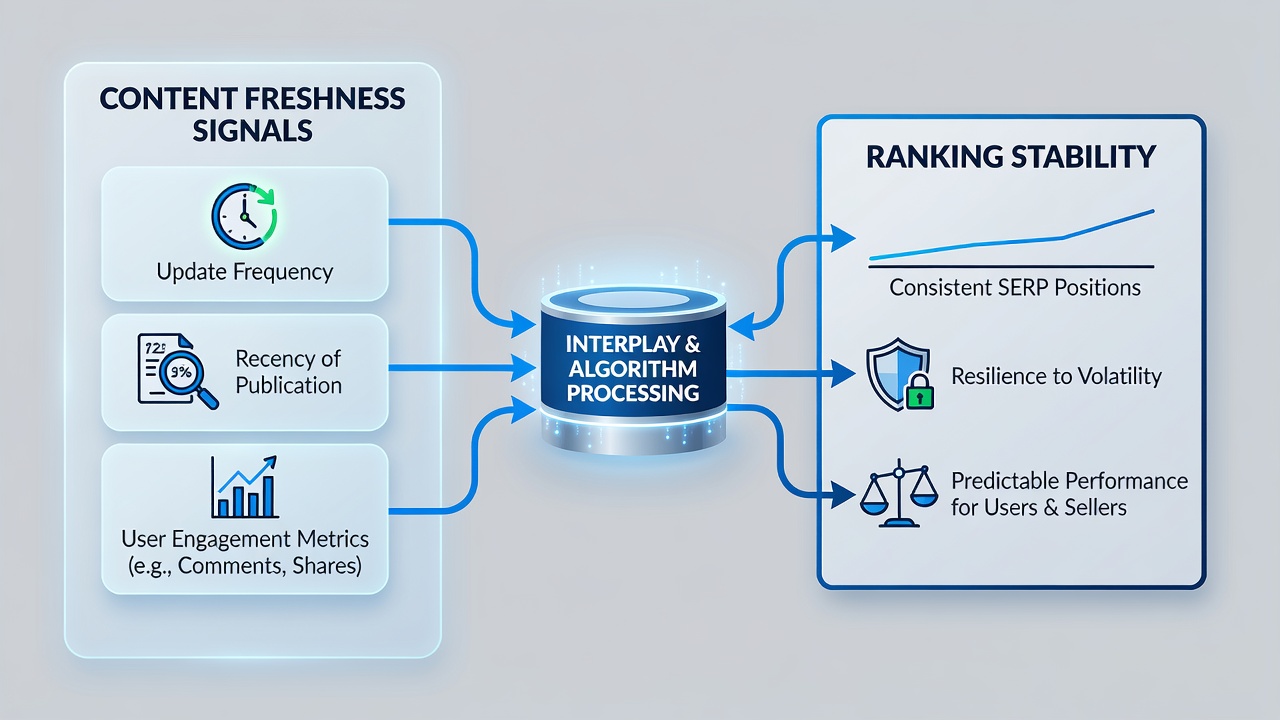
One analysis of Canadian retail platforms found that listings incorporating both freshness metadata and stable anchor text maintained their search positions across seasonal demand shifts, whereas pages lacking one or both elements shifted more dramatically. The interplay shows clearest results when marketplaces apply freshness selectively to high-traffic sections while preserving the structural integrity of foundational pages.
Patterns Observed in 2026 Vertical Marketplace Data
By September 2026, multiple vertical platforms had implemented hybrid freshness protocols that combined automated timestamping with manual editorial reviews, and early performance metrics indicated reduced ranking variance in categories such as B2B parts and professional credentials. Research teams tracking these implementations reported that sites adopting staggered refresh cycles experienced fewer than five position changes per month on average for core listings, compared with double that rate on platforms using uniform update schedules. The data also highlighted regional differences, with marketplaces serving EU markets showing stronger correlations between freshness adherence and stability than those focused primarily on domestic US audiences.
External validation comes from European Commission digital market monitoring, which tracked how updated content standards influenced search performance across member states. A separate academic review from University of Melbourne researchers examined similar dynamics in Australian vertical sites and reached comparable conclusions about the benefits of measured freshness application. These findings suggest that marketplaces can map their own signal interactions by monitoring crawl logs alongside ranking histories over extended periods.
Practical Mapping Approaches Used by Platform Operators
Operators in vertical spaces often begin by auditing existing content against freshness criteria, identifying which sections benefit most from regular revisions and which require stability above all. They then layer monitoring tools that track both update timestamps and position variance, creating datasets that reveal whether freshness efforts reinforce or undermine long-term visibility. Platforms that integrate these audits into routine operations report smoother transitions during industry-wide algorithm adjustments, because the underlying data already shows how individual pages respond to changes in signal weighting.
Examples include industrial supply marketplaces that refresh specification sheets quarterly while leaving supplier directory pages untouched for longer intervals, a strategy that data indicates supports both relevance and structural trust. Observers tracking these methods note that the resulting stability allows sellers to plan inventory and promotions around predictable search exposure rather than reacting to sudden ranking swings.
Conclusion
The mapping of content freshness signals against ranking stability in vertical marketplaces reveals measurable interactions that platform operators can track through systematic data collection. Regular yet controlled updates tend to support steadier positions when paired with established trust signals, while uncoordinated changes can introduce volatility that affects traffic predictability. Research conducted through 2026 continues to supply additional datasets that refine these relationships across different geographic markets and category types, giving operators clearer frameworks for aligning their content practices with search engine evaluation patterns.